Frequently Asked Questions
What equipment's used for foundation digging in rural Missouri?
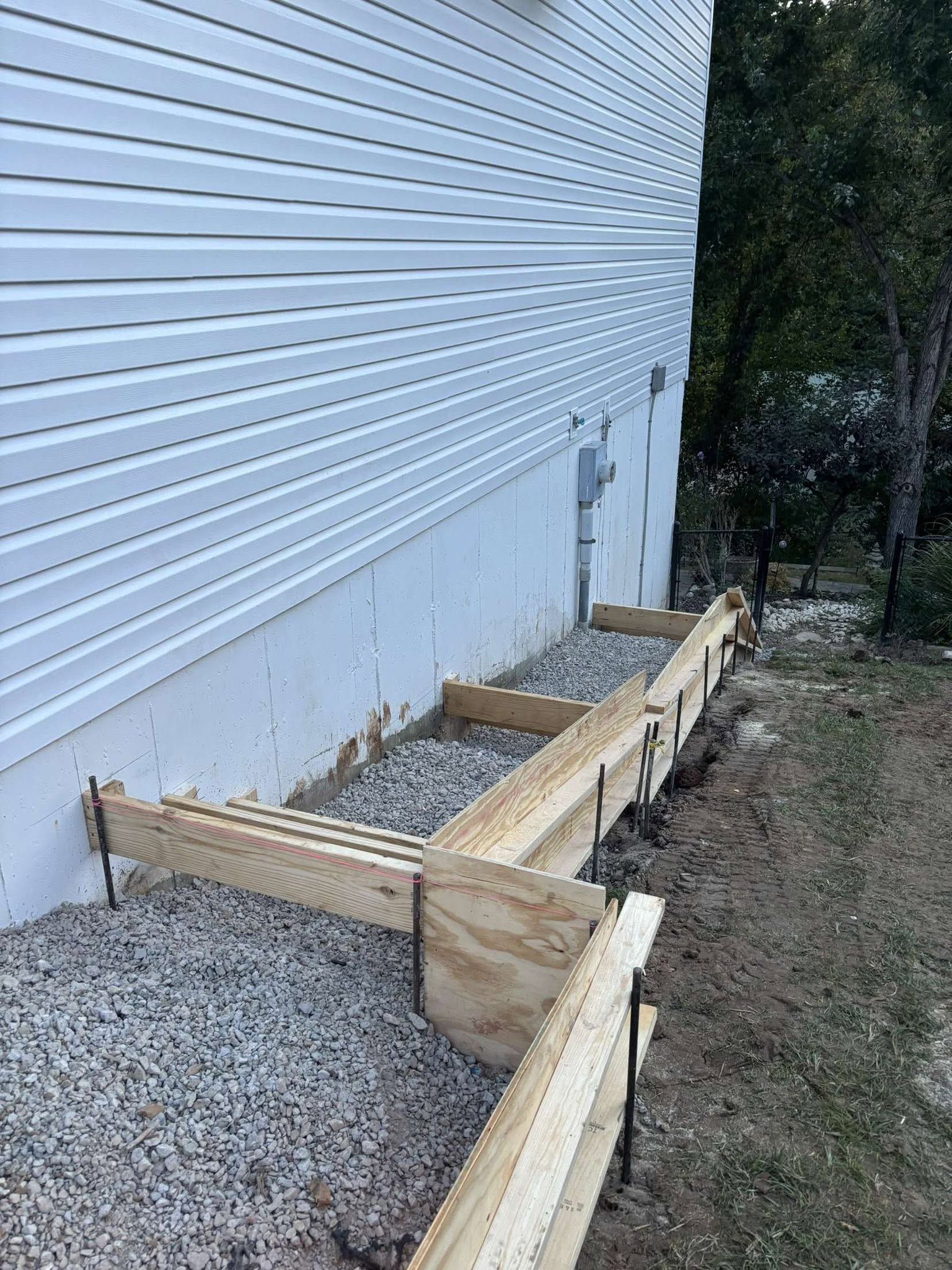
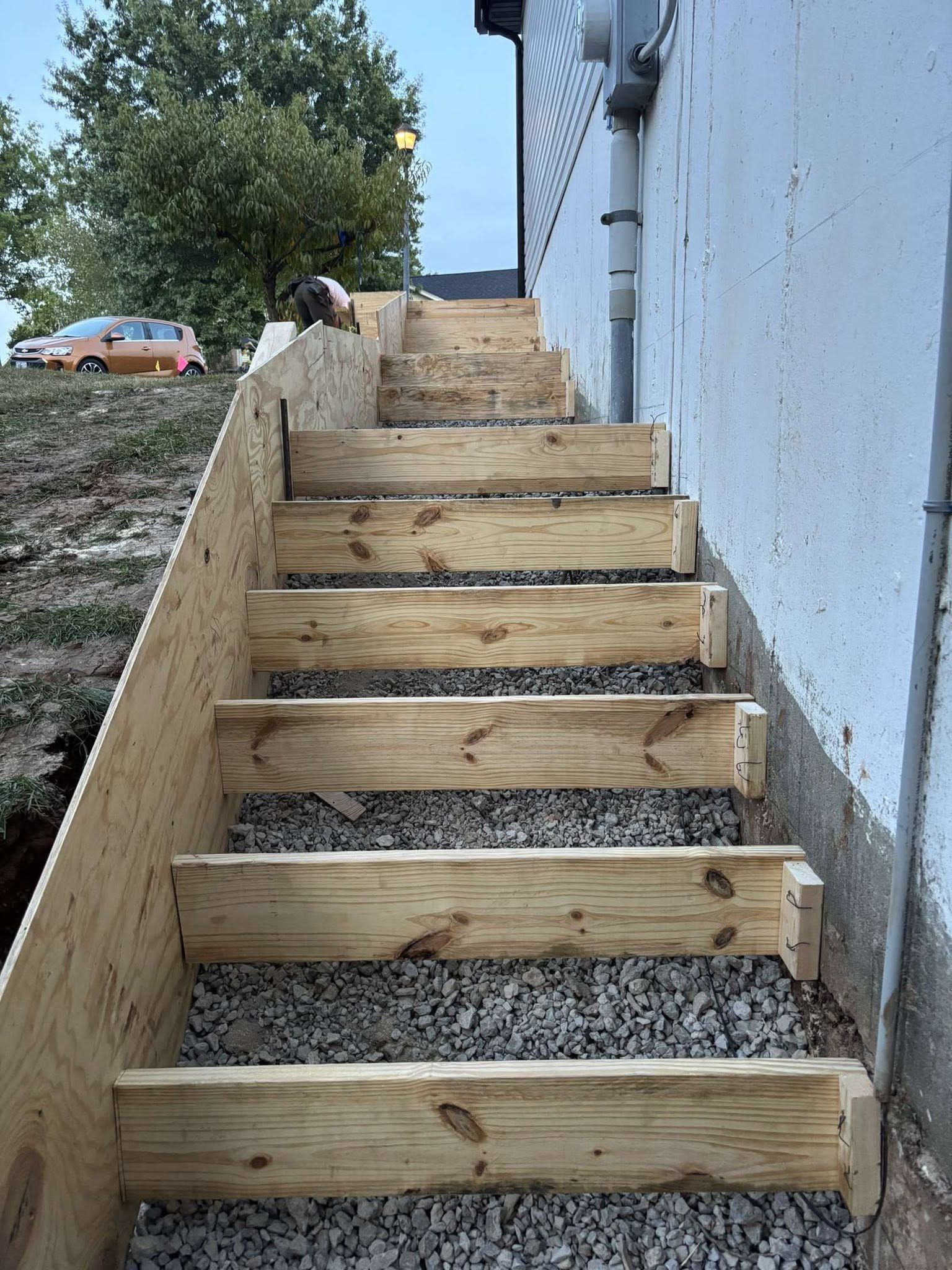
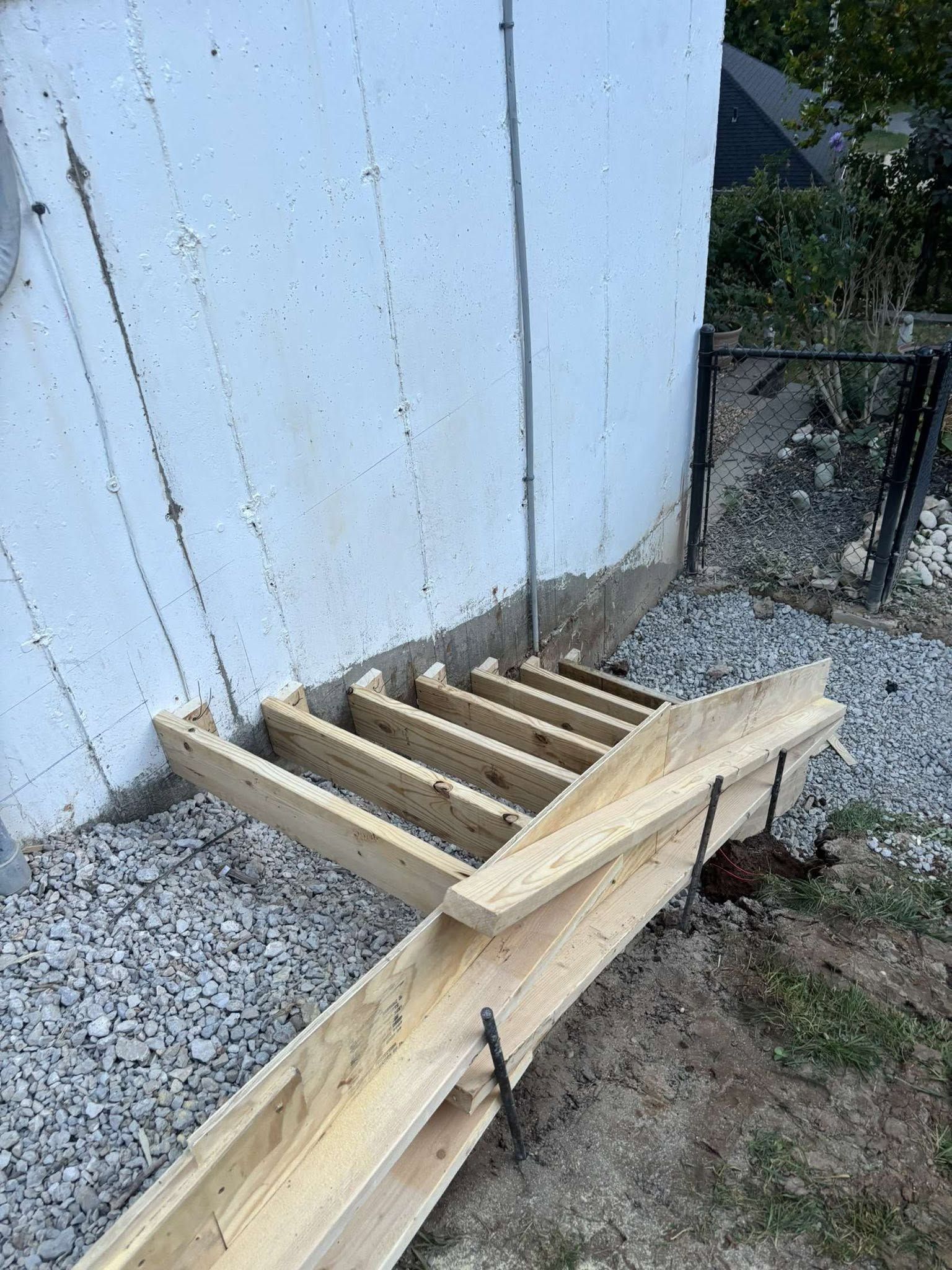
Foundation digging may require different excavation equipment depending on the size of the foundation, soil conditions, access to the property and required digging depth. Reed Excavation & Contracting uses equipment suited to each project to prepare footings, basements and foundation areas while maintaining proper depths and grades for the next phase of construction.
Why integrate grading with drainage assessment before construction?
Water follows grade—if you set final elevations without planning drainage routes, you'll end up regrading after pooling appears. Assessing slope and outlet points during initial grading prevents standing water near foundations and eliminates costly fixes after concrete's poured. Proper grade directs runoff away from structures before problems start.When should land clearing happen before site preparation?
Clearing vegetation with a brush hog before grading work removes roots and organic material that would decompose under foundations, causing settlement. In Luebbering's wooded rural areas, clearing first also exposes actual ground contours for accurate grade planning. Trying to grade with vegetation in place leaves unstable base layers.What causes rural driveways to fail in Missouri's freeze-thaw cycles?
Water trapped in poorly graded base layers freezes, expands, and cracks asphalt or concrete from below. Without proper drainage slope and compacted base prep, seasonal moisture accumulates under the surface. Fixing driveways means removing failed material, regrading for drainage, and prepping a stable base before resurfacing.How do you prevent water pooling during grading work?
Grading integrates drainage assessment—slope calculations direct water toward planned outlets or drainage systems rather than low spots near foundations. Photographing finished grade elevations verifies proper fall and documents drainage routes. Without deliberate slope planning, graded surfaces naturally collect water in unintended areas.What's involved in demolition and debris removal for rural properties?
Demolition uses an excavator for controlled structure removal, then a tandem dump truck hauls debris off-site in coordinated loads. Sequencing demolition with site prep phases maximizes equipment time and reduces mobilization trips. Rural properties often need material staged carefully due to limited access routes and turnaround space.Why does foundation excavation depth matter for drainage integration?
Footing depth determines where drainage systems connect—dig too shallow and you can't route foundation drains below the slab. Proper excavation prepares the base for both concrete placement and perimeter drainage installation. Coordinating depth with builders' concrete-pour schedules prevents delays when drainage and footings need to happen simultaneously.What happens during site preparation for new construction?
Site prep combines land clearing, rough grading, and foundational excavation in one coordinated effort. A tractor with brush hog removes vegetation, then excavation and grading establish building elevations and drainage routes. Staging all phases together reduces equipment moves and prevents rework from uncoordinated clearing and grading.How does a tandem dump truck reduce hauling costs?
Tandem configuration maximizes load capacity per trip, cutting total haul cycles needed to clear a site. Fewer trips mean lower fuel costs and faster project completion, especially for land clearing or demolition jobs with high debris volume. Proper weight distribution also prevents overloading and road damage on rural routes.What soil conditions affect excavation work around Luebbering?
Variable soil profiles across rural properties require equipment operators to adjust digging techniques based on clay content, moisture levels, and compaction. Clay-heavy areas need different drainage planning than sandy or loamy soils. Understanding local soil behavior prevents foundation settlement issues and drainage failures after construction.Can brush hogging and grading happen in the same project phase?
Clearing vegetation with a brush hog first exposes underlying soil contours, then grading can establish accurate final elevations without organic material interfering. Combining both phases prevents mobilization delays and ensures stable base conditions before construction starts. Separate scheduling adds equipment moves and extends timelines unnecessarily.